
A special tour exploring a pivotal yet lesser-known chapter in the city’s wartime history will take place at one of Coventry’s most historic buildings this week.
St Mary’s Guildhall, the iconic 14th century heritage venue in the heart of the city centre, is encouraging residents and visitors to explore two specific dates during the Second World War.
The November 1940 bombing of nearby Coventry Cathedral during the Blitz when the Guildhall amazingly survived is well documented, but the city also suffered devastating attacks on April 8 and 10 in 1941.
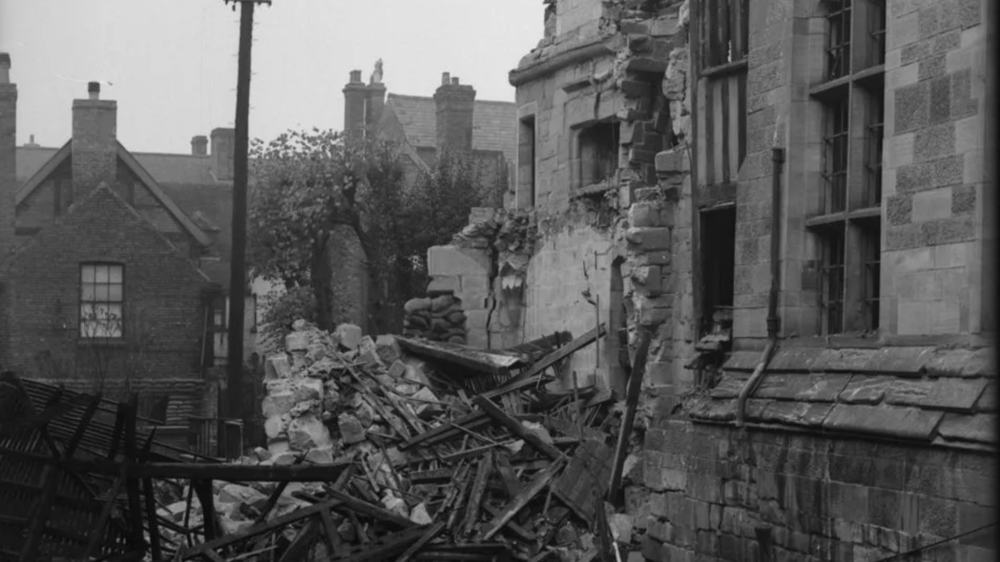
During the first raid on April 8, around 230 German bombers attacked Coventry and over 280 people were killed and over 700 seriously injured in an attack which lasted nearly seven hours with the Coventry and Warwickshire Hospital on Stoney Standon Road being severely affected.
This was followed on April 10 by an intense three-hour raid when a further 170 people were killed while Christ Church was destroyed and King Henry VIII School and St Mary’s Hall were among the damaged buildings.
To mark the 85th anniversary since those events, a tour – which is already nearly sold-out – has been organised at 11am on Sunday, April 12 to shine a spotlight on these lesser-known, but equally significant moments, in the city’s history.
It is an opportunity to discover how St Mary’s Guildhall was damaged and survived during the Second World War and how it later became a centre for resistance through anti-war talks and exhibitions.
The engaging tour will also highlight how the 700-year-old building played a vital role in distributing over 250,000 ration books during and after the war.
There will be historic photographs, original documents and newspaper reports on display giving visitors a vivid insight into the events as they unfolded and the people who experienced them while the anniversary tour will provide a powerful and personal insight into how the Blitz shaped the city and its people.
Abi Moore, Heritage and Venue Manager at No Ordinary Hospitality, said this tour will bring history to life in a compelling way.
“The materials that have been collected not only bring the past to life to reveal the scale of what occurred in 1941, but highlight personal stories, reactions and the resilience of the community at the time,” she said.
“By exploring these first-hand accounts, visitors will gain a deeper understanding of the historical context and its lasting impact on St Mary’s Guildhall and the city itself.
“The Guildhall was left largely unscathed by the German bombing raids in 1940 and 1941 although the roof of the Great Hall was destroyed and the historic Caesar’s Tower was reduced to rubble.
“It is an honour to bring this chapter in the city’s history to life and it is vital these stories are told so that we continue to inspire understanding, reflection and connection across generations.
“The tour on April 12 is almost sold-out so if there is enough demand, we will look to add another date later in the year. Please keep checking the St Mary Guildhall’s website for details.”